Freelancers
Independent professionals
Designers, developers, consultants, and makers who price fixed-fee work and need estimates that protect both the client and their own time.
A project budget is a promise you make on paper before the work begins. This track teaches the practical loop — estimate, approve, track, report — that freelancers, internal teams, and nonprofits use to keep delivery inside the number they promised.
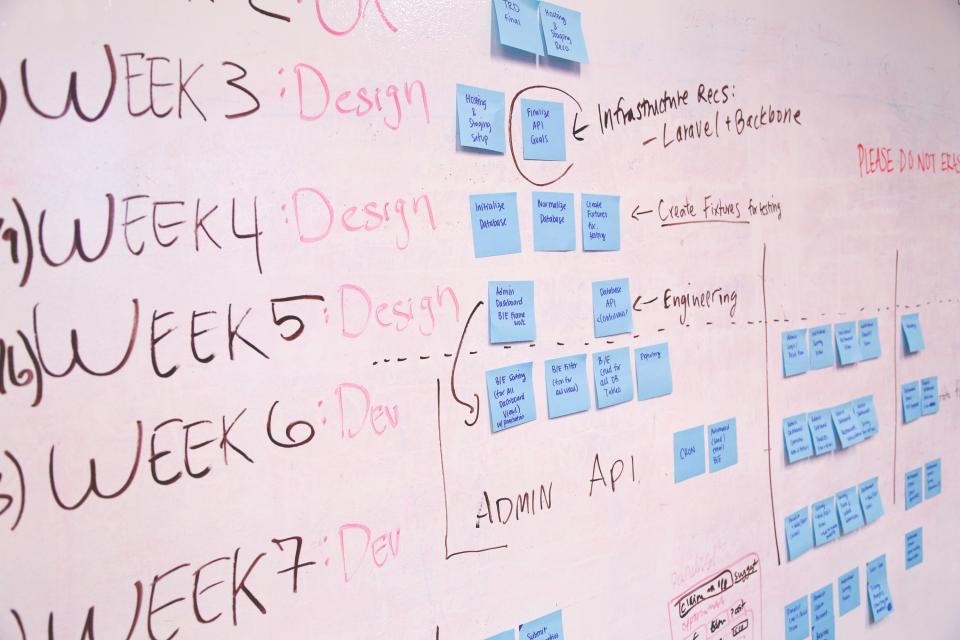
Most project overruns are not caused by bad luck — they are caused by estimates built on hope instead of structure. Our sessions teach a repeatable way to break a project into pieces, assign a range to each piece, add contingency deliberately, and then track actual spending while there is still time to react.
The method is tool-agnostic: it works in a spreadsheet, a notebook, or your favorite planning app. What matters is the thinking pattern, not the software.
Split the project into pieces small enough to estimate. Small pieces mean fewer blind spots and more accurate guesses.
For each piece, write a realistic low and high. Ranges reveal uncertainty instead of hiding it in a single false-precise number.
Set a contingency line that matches how uncertain the work really is — and label it clearly so it is not mistaken for slack.
Compare actual spending to the plan at a regular cadence. Early signals beat late surprises every time.
Explain the difference between plan and actual in one page: what changed, why, and what it means for the remaining work.
Designers, developers, consultants, and makers who price fixed-fee work and need estimates that protect both the client and their own time.
Managers who carry a delivery budget through execution and report upward. Learn variance language that stakeholders actually understand.
Project leads who must match spending to awarded amounts and explain every line to funders with clarity and confidence.
Team seats and private group sessions are available for five or more people, so your whole team learns the same method and the same vocabulary at once. Tell us about your project calendar and we will schedule around it.
Especially for you. When you are the only person estimating, structure replaces the echo chamber in your head. Range estimates and a written plan protect your margins and your sanity.
Almost none. Our templates use basic addition only. If you can type a number in a cell, you can follow every session in this track.
No. Project budgeting is a planning and tracking discipline for a piece of work. We do not teach accounting, tax, or investment topics, and we do not provide financial advice — see our Disclaimer.
We are tool-agnostic by design. Sessions teach the thinking pattern; you apply it in whatever tool your team already uses.
We do not issue certificates. Budgiminar is a skills-learning platform, and we prefer to keep the focus on methods you apply, not credentials.